How to Prepare a Garden City Rental Property to Sell
July 9, 2026
July 9, 2026
If you own a rental property in Garden City, getting it ready to sell takes more than a quick clean and a few new listing photos. Between coastal wear, active bookings or tenants, HOA or condo documents, and South Carolina disclosure requirements, there are several moving parts that can affect your timing and results. The good news is that with the right prep, you can make the process smoother, protect your value, and avoid last-minute surprises. Let’s dive in.
Garden City Beach on the Horry County side is part of Horry County’s unincorporated beachfront area. That means county, state, and association rules often matter more than city-level rules when you prepare a rental property for sale.
Because this is a coastal market, flood-zone review should also be part of your planning. Horry County participates in the National Flood Insurance Program and notes that flood insurance is recommended even if a property is outside a mapped high-risk area. If you already carry flood insurance, having that information organized early can help answer buyer questions.
One of the smartest things you can do is handle disclosures at the front end instead of scrambling later. South Carolina’s current property disclosure forms are built to address second homes and investment properties, which matters for many Garden City listings.
The current disclosure statement asks whether the property is leased, used as a vacation or short-term rental, or affected by closing-related factors. If your property is in an HOA or condo regime, the addendum also asks about dues, special assessments, rental or resale restrictions, guest or visitor restrictions, parking or access codes, common area issues, transfer fees, and whether the property or common areas are subject to the South Carolina Coastal Zone Management Act.
Before listing, it helps to collect:
Getting these details together early can reduce delays once you have an interested buyer.
If your Garden City property has been used as a short-term rental, your sale prep should include a review of any county and state lodging-related accounts. In unincorporated Horry County, short-term accommodation rentals require collection and remittance of the Hospitality Fee, while long-term accommodation rentals of 90 consecutive days to the same patron do not.
Horry County says the reporting form is due on the 20th of the month following the reporting period. South Carolina Department of Revenue rules also matter. Accommodations rented for fewer than 90 consecutive days fall under the state accommodations tax framework, which includes 5% sales tax, 2% accommodations tax, and any local sales or use tax collected by the state on behalf of counties.
Before your home goes live, you should know:
These are often the details that slow down a deal when they are not organized in advance.
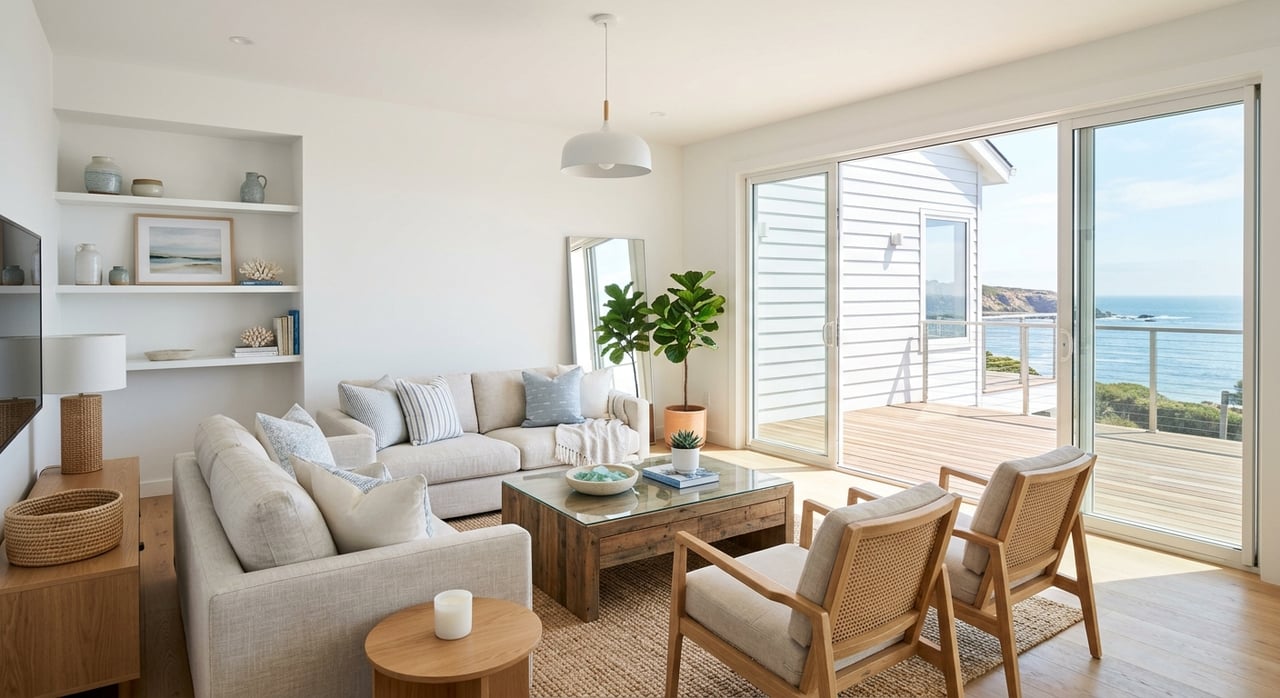
A rental property can be perfectly functional and still feel tired in photos or showings. In Garden City, coastal exposure often adds another layer, with sand, moisture, rust, and weathered outdoor areas affecting how the property presents.
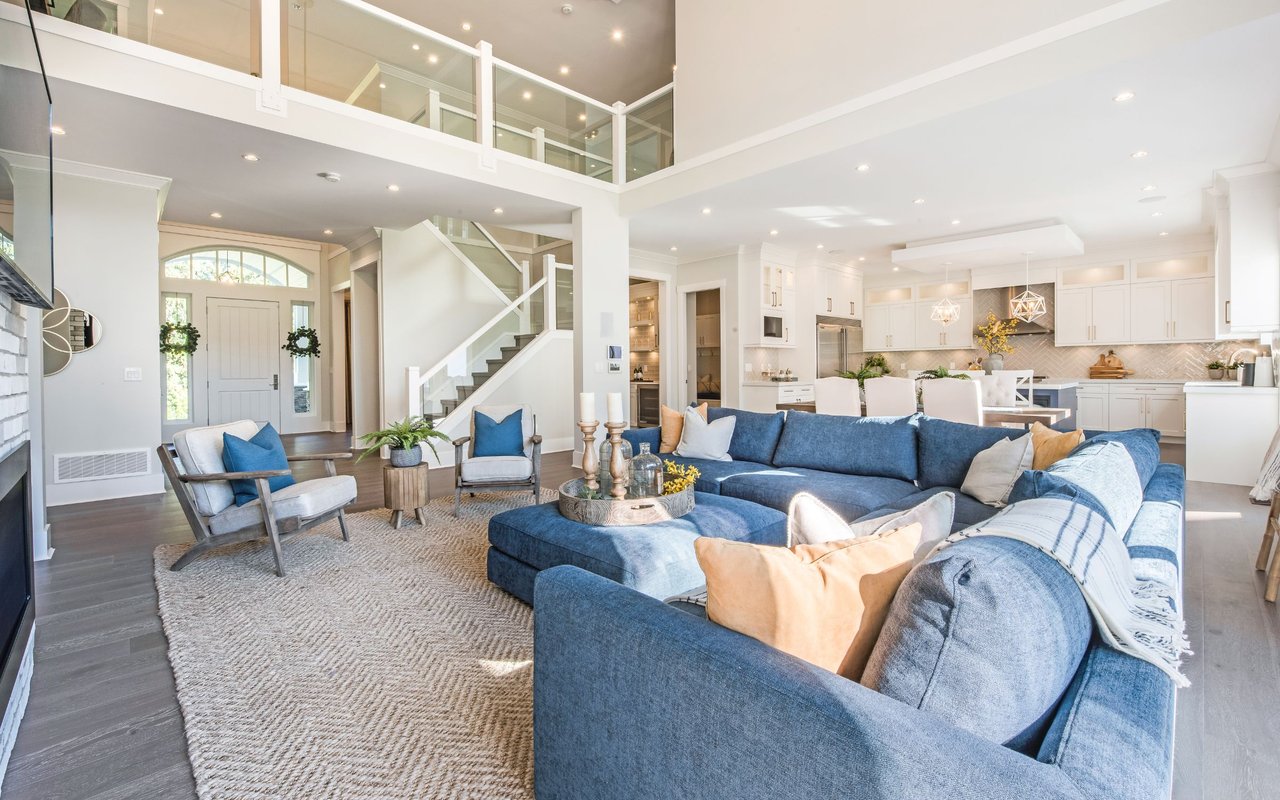
National staging guidance points to a few basics that consistently matter: cleaning, decluttering, repairing, depersonalizing, and making key rooms feel fresh. Agents also report that staging can improve offered value and reduce time on market, with living rooms, primary bedrooms, and kitchens standing out as the most important areas.
For a Garden City rental, a practical prep list often includes:
You do not need to fully renovate to improve marketability. In many cases, a disciplined refresh and a cleaner, lighter presentation can make a strong difference.
If your property has generated rental income, buyers will usually want more than the standard property details. Clean records help buyers understand how the property has been operated and can also make your side of the transaction more efficient.
IRS guidance emphasizes maintaining records for rental income, expenses, receipts, and improvements. Improvements should be tracked separately because they are treated differently from ordinary repairs.
A strong seller file often includes:
The more complete and organized your records are, the easier it is for a serious buyer to evaluate the opportunity.
A rented property can still sell well, but you need a clear access and scheduling plan. The right strategy depends on whether you have a long-term tenant, short-term guests, or a vacant turnover window.
If the property is long-term tenant occupied, South Carolina law says a tenant cannot unreasonably withhold consent to entry for inspections, repairs, or showings to prospective buyers and others. Unless there is an emergency or another agreed access window, landlords generally must give at least 24 hours’ notice and may enter only at reasonable times.
You will want to confirm:
A good-faith sale to a bona fide purchaser changes the landlord-tenant relationship after written notice of conveyance, so documenting the transition carefully matters.
With a vacation rental, the biggest issue is usually calendar management. Before listing, you should know what bookings are already confirmed, what dates need to be blocked for photography and showings, and whether your HOA or condo rules affect guest access during the sale period.
You should also know who is responsible for tax remittance. If a property manager or online travel company exclusively handles booking and accepts payment, that party is responsible for remitting the accommodations tax under South Carolina Department of Revenue guidance.
Serious buyers for Garden City rental property tend to focus on a few practical areas. They want to understand the home’s condition, carrying costs, rental history, restrictions, and any issues that may affect use after closing.
When you prepare for those questions in advance, your listing feels more credible and easier to evaluate. That is especially important for out-of-area buyers who may be comparing several coastal properties at once.
Expect questions such as:
If you can answer these quickly and clearly, you create momentum instead of friction.
The cleanest rental-property sales usually come from planning backward. Start with your target listing date, then map out disclosure prep, document collection, turnover work, deep cleaning, photos, and any tenant or booking coordination.
That timeline gives you room to handle the details that matter in Garden City, especially for condos, vacation homes, and properties with active rental history. A disciplined prep process can help you present the property well, keep the transaction moving, and put yourself in a better position when offers come in.
If you are thinking about selling a Garden City rental property, Dan Benish can help you evaluate timing, presentation, and market positioning so you can move forward with a clear plan.
Stay up to date on the latest real estate trends.

Contact Dan today to learn more about his unique approach to real estate and how he can help you get the results you deserve.
100 Greenway Blvd Murrells Inlet, SC 29576