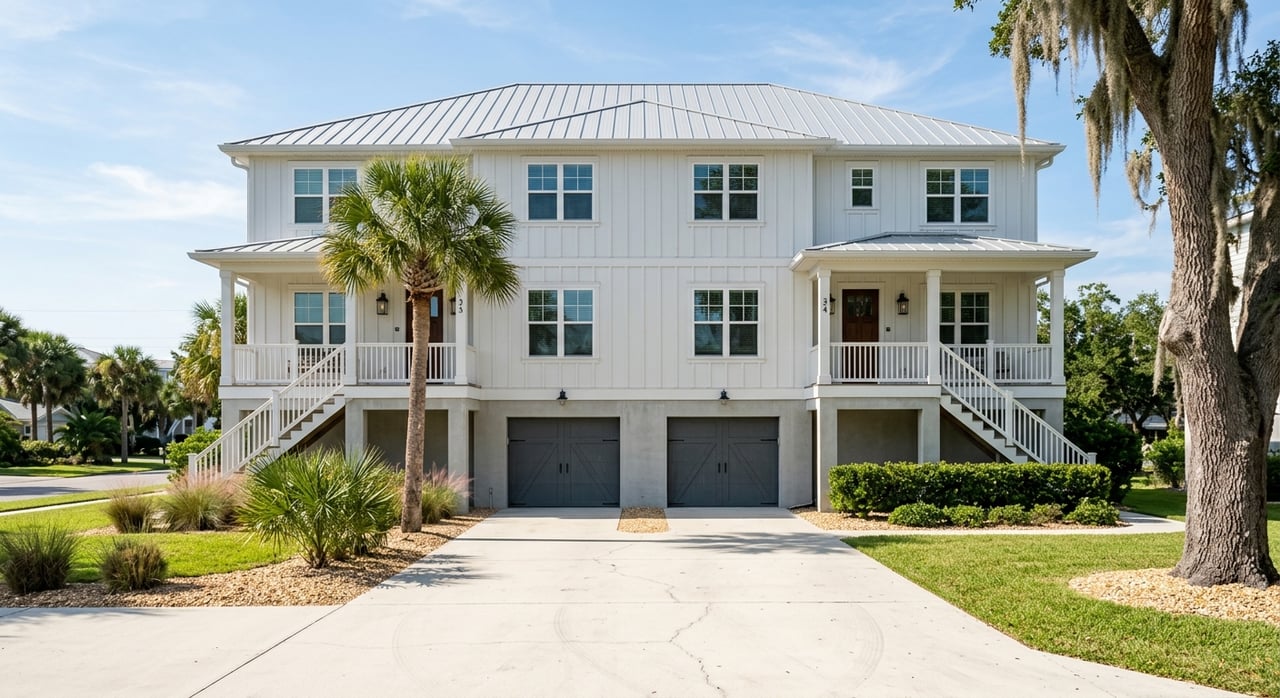
Surfside Beach Condos vs Homes: What to Know
June 11, 2026
June 11, 2026
Choosing between a condo and a single-family home in Surfside Beach is not just about square footage. In this coastal market, your decision can affect your monthly costs, maintenance responsibilities, property taxes, insurance planning, and even how you are allowed to use the property. If you are weighing both options, this guide will help you compare the tradeoffs clearly and focus on the details that matter most in Surfside Beach. Let’s dive in.
If you are starting your search, it helps to know that both condos and single-family homes have a real presence in Surfside Beach. Current Realtor.com inventory shows 107 condos and 131 single-family homes for sale, which means you are not limited to one property type. The same market snapshot places the median listing price around $337,450.
That balance matters because it gives you room to match the property type to your goals. Instead of asking which option is better overall, it is smarter to ask which one fits how you plan to live, budget, and use the home.
At a high level, the decision usually comes down to shared-maintenance convenience versus private-control flexibility. A condo often gives you a more lock-and-leave ownership style, while a single-family home usually gives you more space, privacy, and control over the property.
In Surfside Beach, that tradeoff matters even more because local zoning, flood exposure, and association rules can shape the day-to-day experience of ownership. What looks like a simple lifestyle choice on paper can become a much bigger financial and practical decision once you dig into the details.
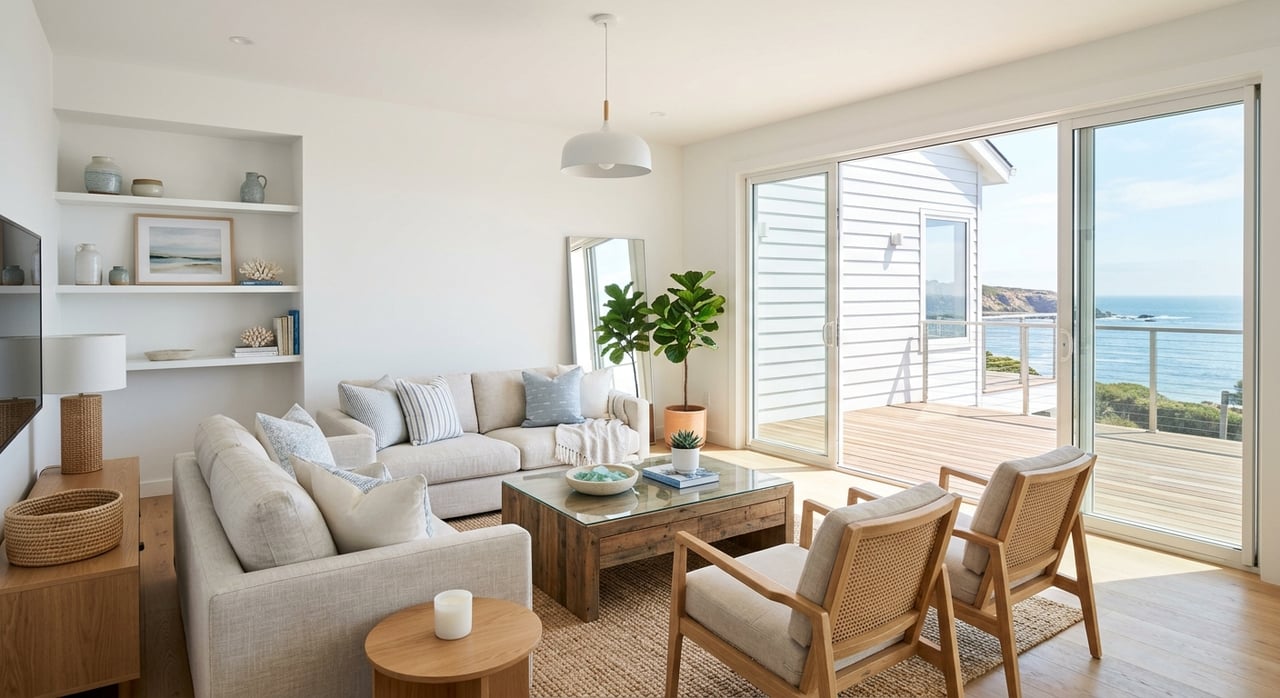
A condo can be a strong fit if you want lower-maintenance ownership. Many buyers looking for a second home or a simpler coastal getaway like the idea of shared responsibility for common areas and building maintenance.
This setup can reduce the amount of exterior work you handle directly. Depending on the association, maintenance of shared structures and common elements may be built into the ownership model, which can make it easier to come and go without worrying about every repair item yourself.
That convenience comes with tradeoffs. Condo ownership usually includes HOA or condo dues, and those dues are generally paid separately from your mortgage payment. The Consumer Financial Protection Bureau notes that these dues can range from a few hundred dollars per month to more than $1,000 per month.
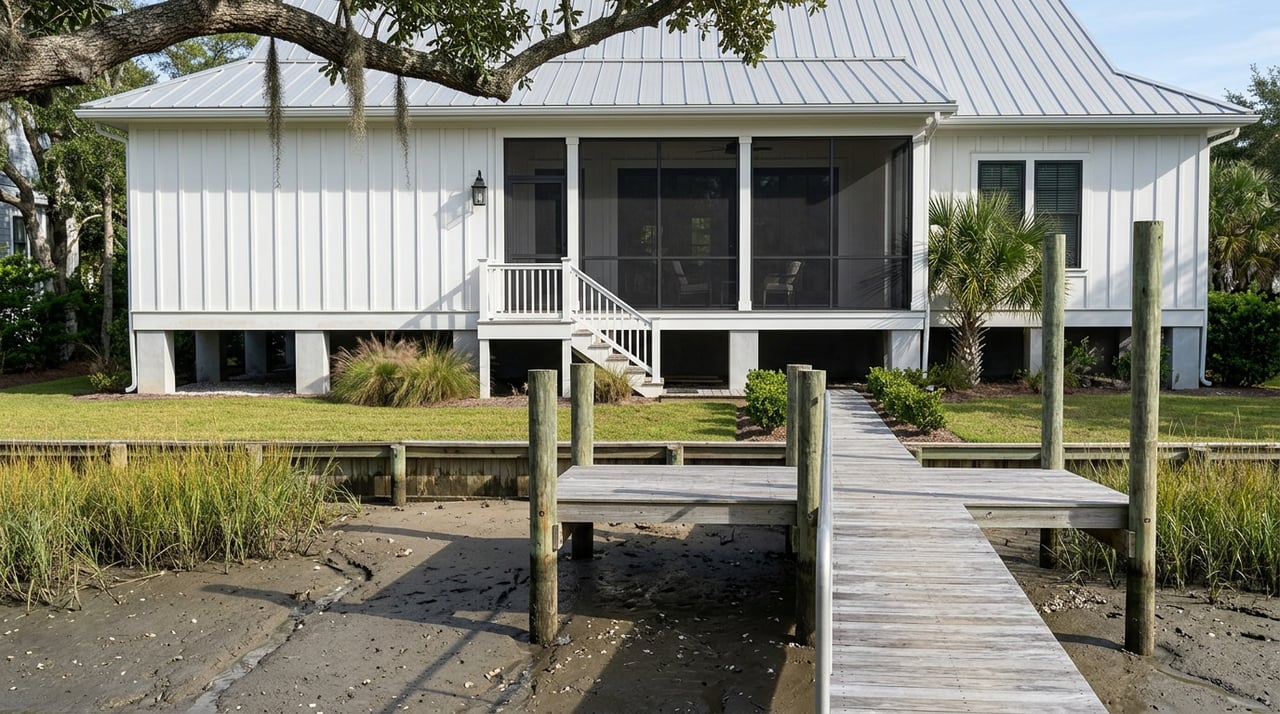
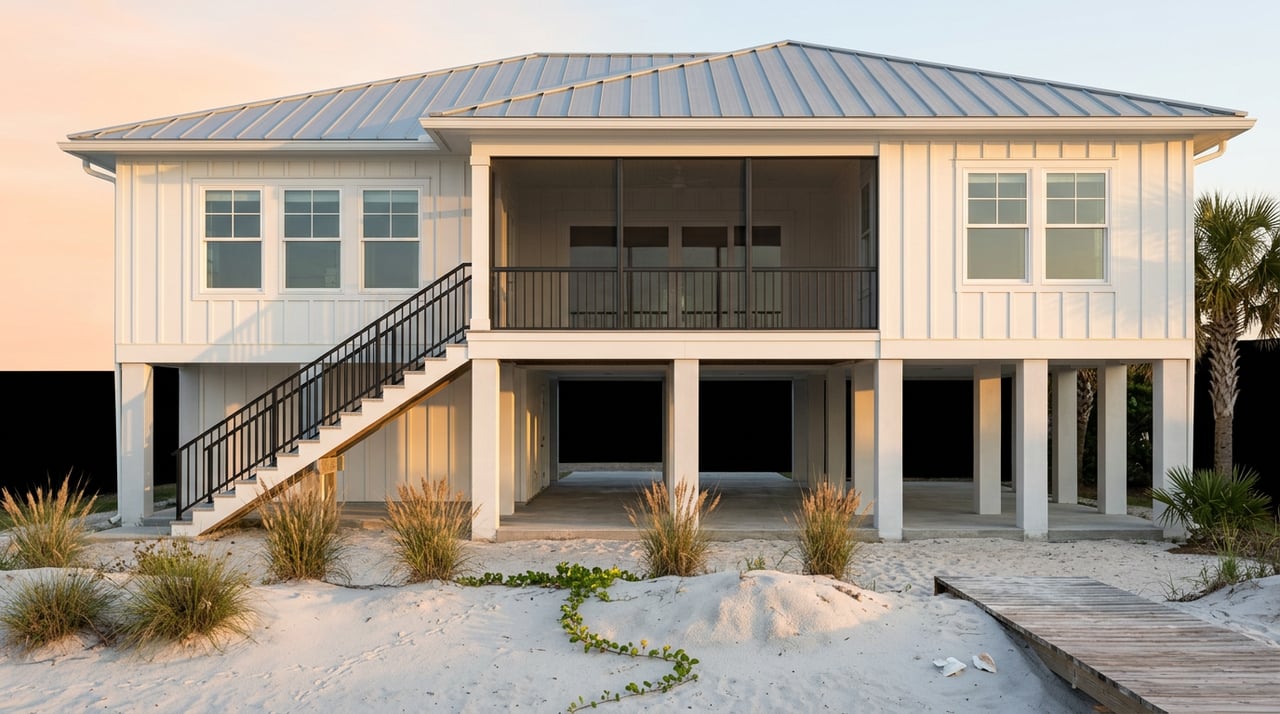
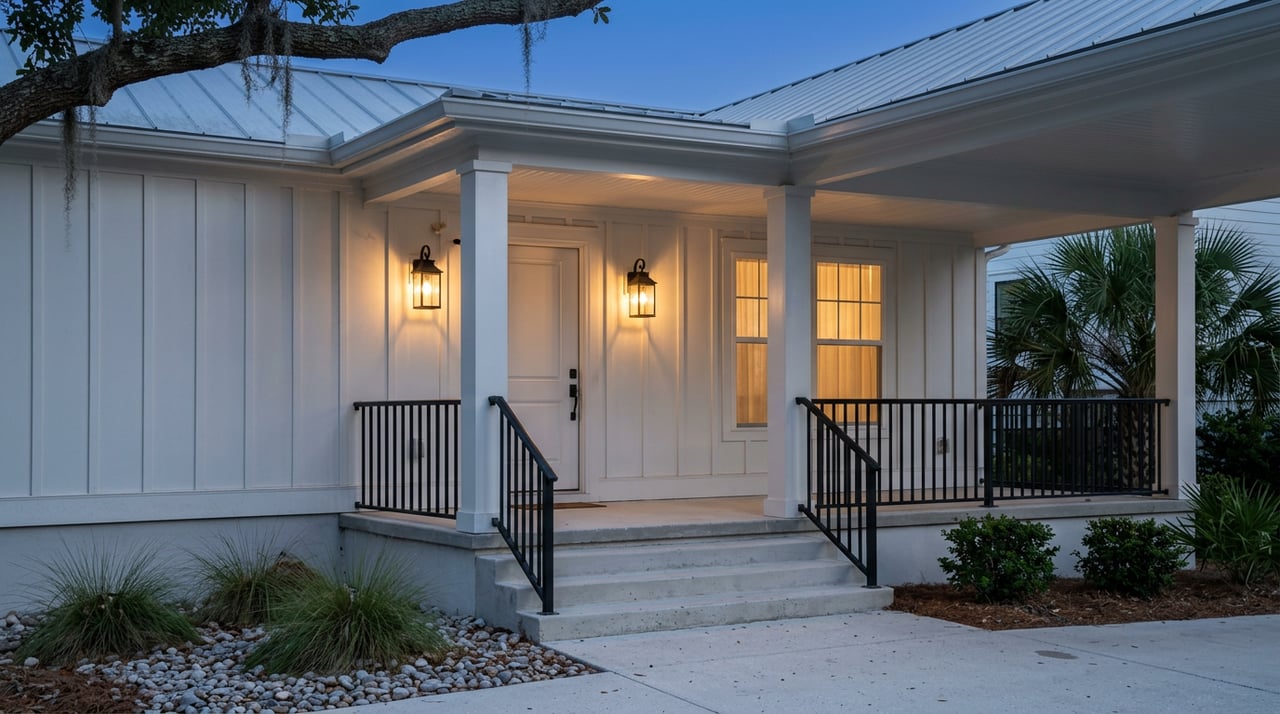
A single-family home often works best if you want more control over your property. Buyers who plan to live full-time in Surfside Beach, need more storage, or want yard space and flexible parking often lean toward detached homes.
Local zoning supports that pattern. Surfside Beach permits detached single-family homes by right in R-1, R-2, and R-3 districts, which reinforces the role of single-family homes as the town’s lower-density residential form.
The tradeoff is responsibility. When you own a detached home, you are usually taking on more of the roof, exterior care, landscaping, drainage, and storm-related upkeep yourself.
One of the biggest mistakes buyers make is comparing only the purchase price. In Surfside Beach, a better comparison is your full monthly carrying cost.
A condo may have a lower purchase price than a house, but the monthly dues can change the picture quickly. Those dues may cover shared maintenance, common-area insurance, amenities, and other association expenses, so you need to understand exactly what is included.
A single-family home may have fewer or lower association fees, but your direct maintenance costs are likely to be higher over time. You are also responsible for more repair decisions, which can make monthly costs less predictable.
In South Carolina, how you plan to use the property can affect the tax picture. The state’s legal residence classification applies a 4% assessment ratio to a current primary home, while owner-occupied real property approved as a legal residence is treated differently from second homes or rental property.
For properties that are not a primary residence, the assessment is generally 6%. In a market like Surfside Beach, where many buyers are considering a second home or investment use, that difference can have a real impact on affordability.
If you are planning to live in the home full-time, it is important to confirm whether the property will qualify for the 4% legal-residence treatment. If you are buying a vacation property or rental-oriented property, you should budget based on the non-primary classification unless confirmed otherwise.
For some buyers, there may be an additional tax benefit. Horry County says the South Carolina Homestead Tax-Exemption Program can exempt up to $50,000 of home value for homeowners who are age 65 or older, totally disabled, or totally blind, as long as the property is approved at the 4% primary-residence rate.
In a coastal town, insurance should never be an afterthought. Surfside Beach specifically references flood-damage prevention on its planning and building page, and FEMA says National Flood Insurance Program requirements apply in Special Flood Hazard Areas shown on FEMA flood maps.
Just as important, standard homeowners insurance does not cover flood damage. That means you should review flood-zone status and get an insurance quote early, whether you are considering a condo or a single-family home.
For condos, association dues often include master insurance for common areas of the building. Even so, that does not mean every risk is automatically covered for your individual unit, so it is worth reviewing the association documents closely.
For single-family homes, the insurance picture may be more direct but also more extensive. You may be covering more of the structure yourself, along with any flood insurance needs tied to the property’s location.
If you are thinking about part-time use or rental income, Surfside Beach is a market where you need to verify first. The town’s code says transient rentals, which are stays of less than 30 days, are permitted only in the R-3 and C-3 districts.
That means you cannot assume a property can be used as a short-term rental just because it is listed that way or because it seems well suited for visitors. You need to confirm the zoning district and understand how your intended use lines up with the town code.
You also need to check the association rules. Even if zoning allows a use, HOA or condo rules may place additional limits on rentals, occupancy, pets, parking, or other day-to-day matters.
There is one more local detail to know. Surfside Beach says all real estate rentals are considered a business and require a business license. If rental income is part of your plan, this should be part of your due diligence early in the process.
Surfside Beach zoning points to a practical pattern in town. Lower-density residential streets are more likely to have detached homes, while higher-density or mixed-use areas are more likely to support condo-style or rental-oriented buildings.
That does not mean one option is always better located than the other. It does mean your daily experience may differ based on where the property sits, how much activity is nearby, and what kind of building or lot configuration you prefer.
For some buyers, easy access and a more compact footprint are a plus. For others, extra separation, yard space, and more traditional residential surroundings are worth the added upkeep.
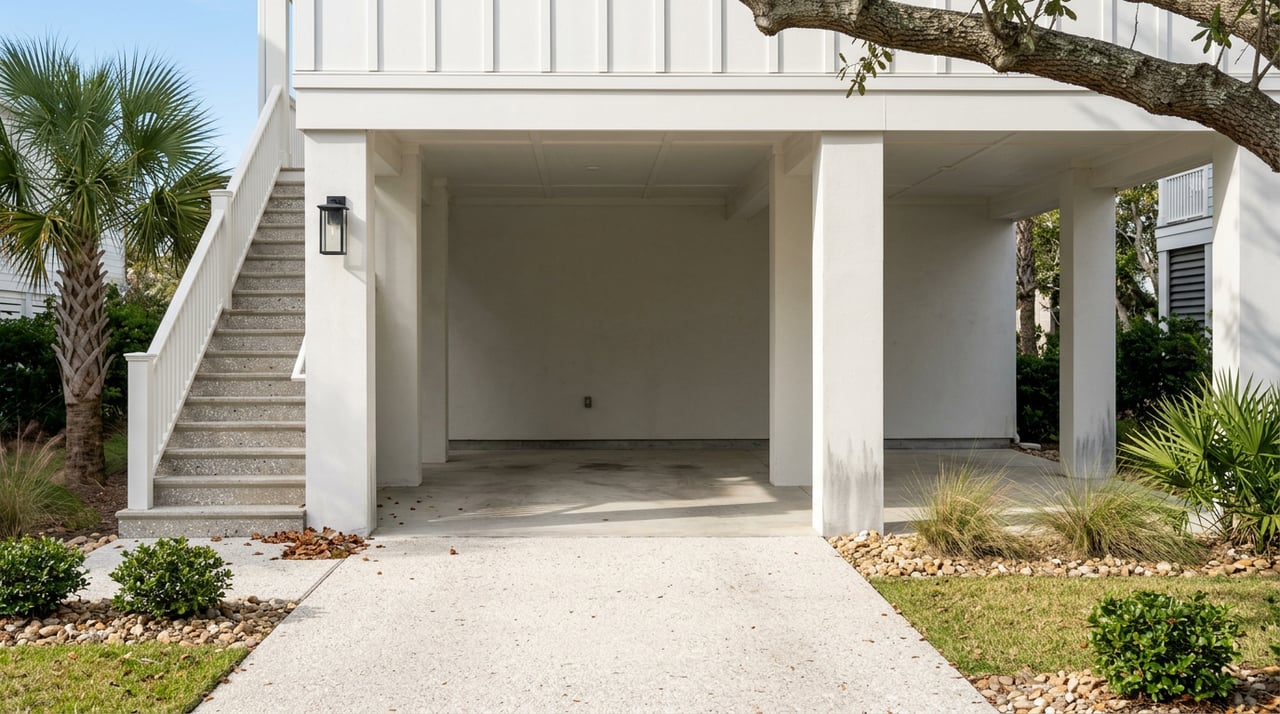
Sometimes the biggest quality-of-life differences are the small ones. In Surfside Beach, public parking is seasonally paid, so on-site parking can matter more than buyers expect, especially for second-home use or hosting guests.
For condos, practical details often include parking, elevator access, pet rules, and rental limits. Those factors can shape convenience just as much as the floor plan.
For single-family homes, the daily checklist is different. Roof age, exterior condition, drainage, landscaping, and wind or flood preparation often play a bigger role in how the property functions over time.
A condo may be the better choice if you want simpler ownership, shared maintenance, and a property that feels easier to manage from a distance. That can be especially appealing if you are buying a second home or want a more turnkey coastal retreat.
A single-family home may be the better fit if you want more privacy, flexibility, and room to spread out. It can also be a strong option if you plan to live in Surfside Beach full-time and want more control over how the property is used and maintained.
If rental income is part of your goal, either property type could work in the right setting, but only after zoning, licensing, and association rules are fully reviewed. In Surfside Beach, the safest approach is always to confirm the use before you commit.
Before you make an offer on any Surfside Beach property, ask these questions:
These questions can help you avoid surprises and compare properties more accurately. In a coastal market, the best purchase is not always the one with the lowest list price. It is the one that fits your budget, lifestyle, and intended use with the fewest unknowns.
Whether you are comparing a low-maintenance condo, a detached beach home, or both, a local strategy makes a big difference in Surfside Beach. If you want help narrowing the options and evaluating the real costs behind each property type, connect with Dan Benish.
Stay up to date on the latest real estate trends.
Contact Dan today to learn more about his unique approach to real estate and how he can help you get the results you deserve.
100 Greenway Blvd Murrells Inlet, SC 29576