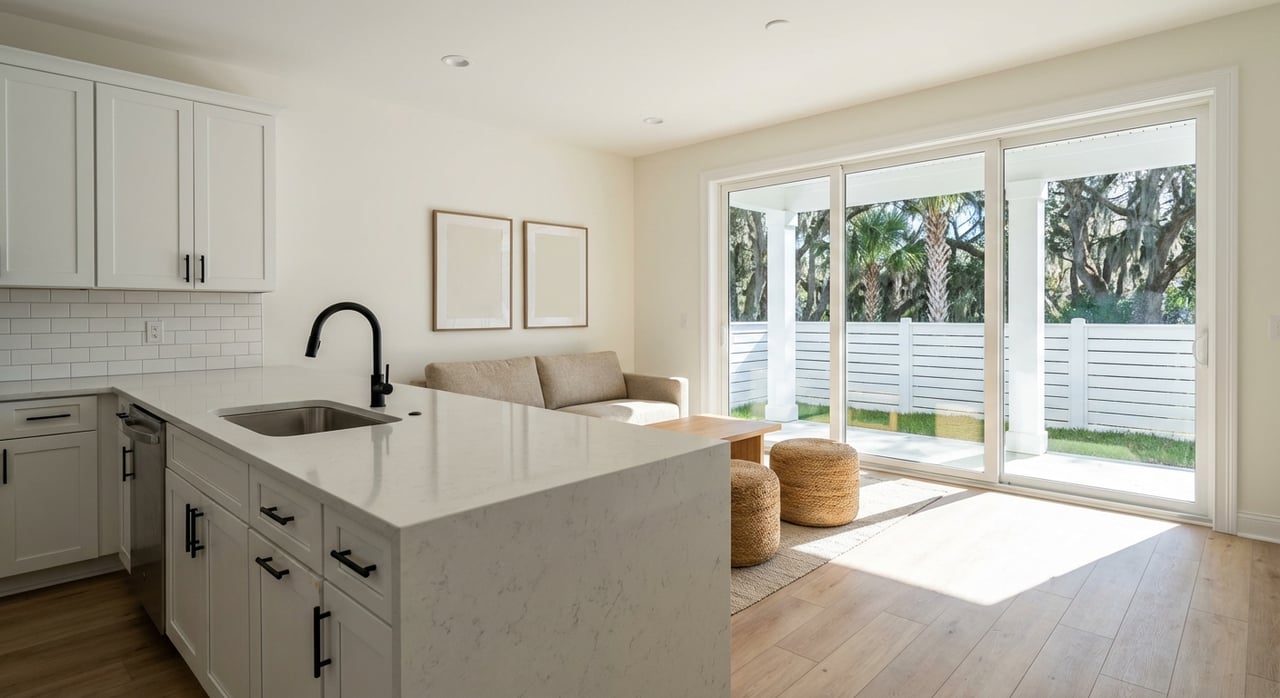
Murrells Inlet Vacation Rental Investing Guide
February 19, 2026
February 19, 2026
Thinking about a place at the coast that you can enjoy and rent when you are away? Murrells Inlet offers that Lowcountry charm with real income potential if you buy the right property and manage it well. You want clear numbers, local rules in plain English, and a path that avoids surprises. This guide walks you through demand patterns, property types that tend to perform, taxes and insurance, and a simple way to model cash flow. Let’s dive in.
Murrells Inlet sits on the Waccamaw Neck in northeastern Georgetown County near the Grand Strand, which gives you access to beaches, golf, boating, and the MarshWalk’s waterfront dining. Regional tourism support through the county’s Hammock Coast program helps keep visitor interest strong year-round, especially in peak summer months. You can see that broader coastal push reflected in the Hammock Coast tourism resources.
Short-term rental demand here is highly seasonal. For the Myrtle Beach market, which is a practical proxy for Murrells Inlet, AirDNA’s MarketMinder shows annual occupancy in the mid-50 percent range with average daily rates in the mid-$200s. Other providers show different snapshots. For example, Airbtics reports different occupancy and rate figures because it focuses on Airbnb-only data. Expect strong June through August performance and softer winters, with events and holidays driving spikes.
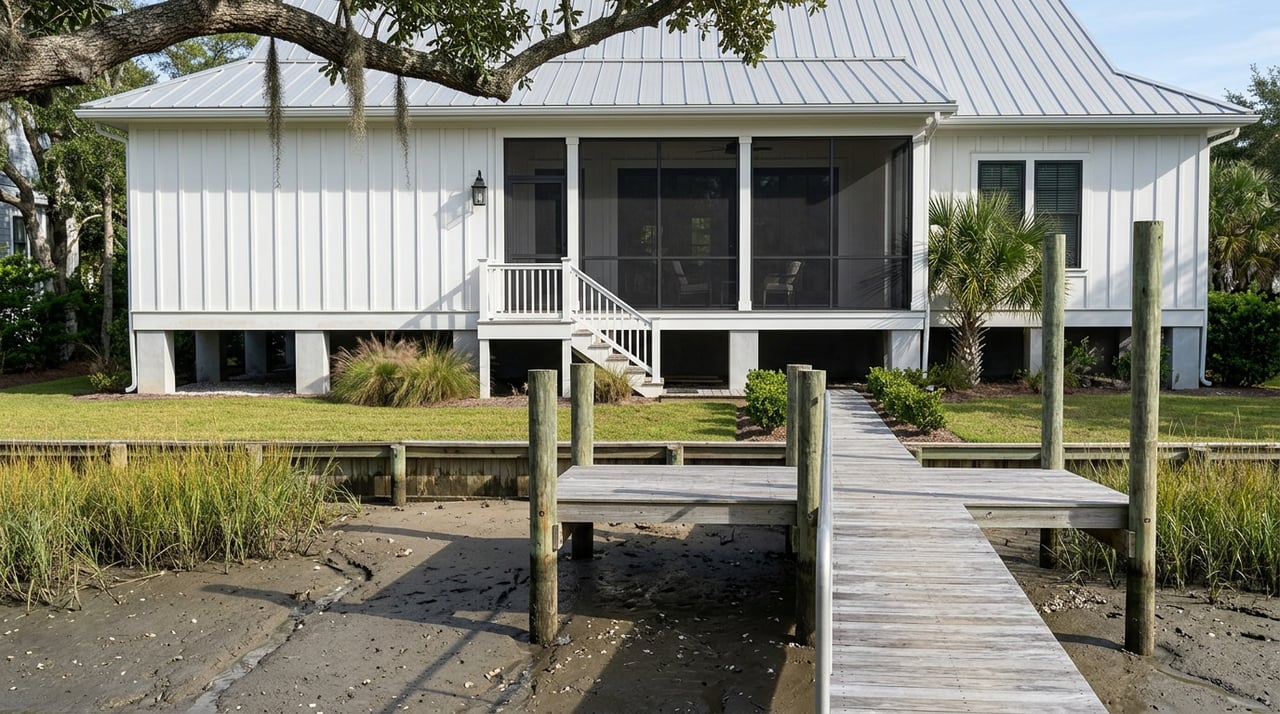
In this coastal submarket, oceanfront and ocean-view condos and beachfront houses anchor peak-summer demand. Marsh-front or water-access homes also attract guests who want fishing and boating. Easy access to the MarshWalk, Huntington Beach State Park, and nearby beaches can widen your booking window.
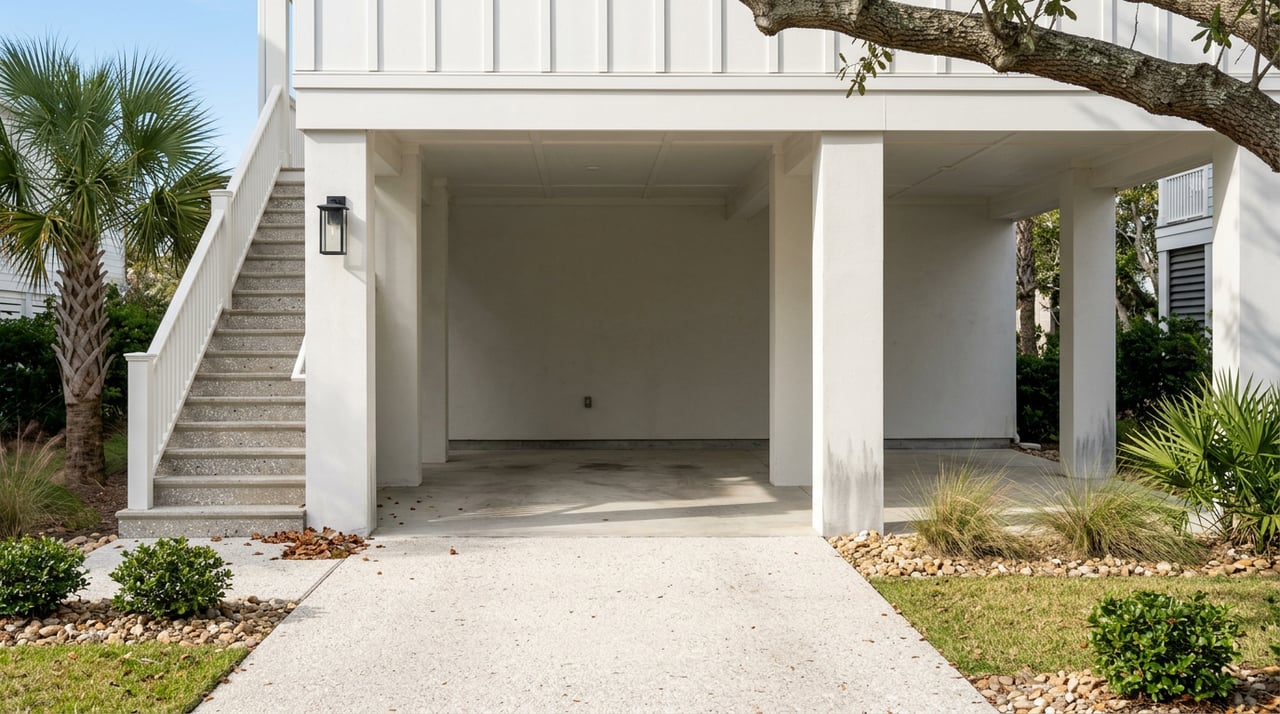
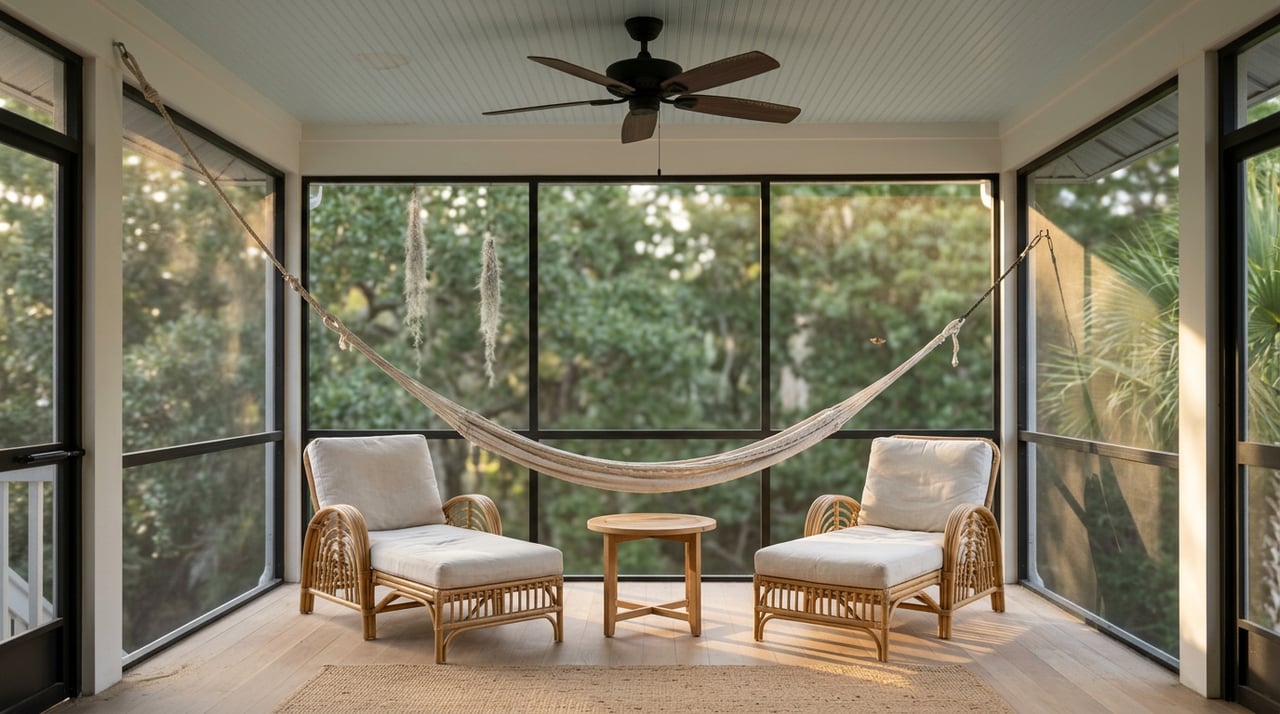
Guests respond to features that make trips simple and memorable. Properties with pools, hot tubs, private decks or porches, pet-friendly policies, and off-street parking often support stronger rates and more off-peak bookings. Industry guides for the Grand Strand also highlight the value of tailoring minimum stays and pricing to peak events and seasons, as outlined in this market writeup on seasonal pricing and events.
Multi-bath layouts are practical for groups. Lockout or dual-unit condos can be rented as separate spaces or together, which helps you capture different party sizes. With the right operations, that flexibility can improve both occupancy and average rate.
Public housing indices place typical single-family and condo values in Murrells Inlet in the roughly $380,000 to $410,000 range. Use current MLS data and recent comparable sales when you model your purchase. Plan your budget around both acquisition costs and true operating expenses so your return targets are realistic in a seasonal market.
In South Carolina, short stays are treated as accommodations. For stays under 90 consecutive days, you generally owe 5 percent state sales tax plus 2 percent state accommodations tax. The South Carolina Department of Revenue explains filing rules, forms, and when a platform or manager may collect and remit on your behalf. Review the state’s guidance before you list by reading the SCDOR accommodations page.
Georgetown County imposes a 3 percent local accommodations tax on short-term lodging receipts. The county also has a 2 percent hospitality tax on prepared food and beverages, which affects restaurants rather than your lodging receipts. Filing schedules and remittance rules are outlined on the county’s Hospitality and Accommodations Tax page. The practical takeaway is that guests will often see state and local accommodations taxes that add up to more than 9 percent. If a platform or manager collects and remits for you, confirm that in writing and keep records.
If the property sits in an HOA or condo, get the CC&Rs, bylaws, rules, meeting minutes, budgets, and the master insurance policy. Some communities allow short-term rentals, some limit them, and others prohibit them. Ask about minimum stays, parking rules, guest registration, fines for violations, and any pending special assessments. For any structural changes or added sleeping areas, verify permit requirements with Georgetown County Building and Planning.
Even in permissive areas, most enforcement is complaint-driven. Set clear house rules, use quiet hours, and have a local on-call contact who can respond quickly. Keep proof of tax registration and remittance and follow county guidance to stay in good standing.
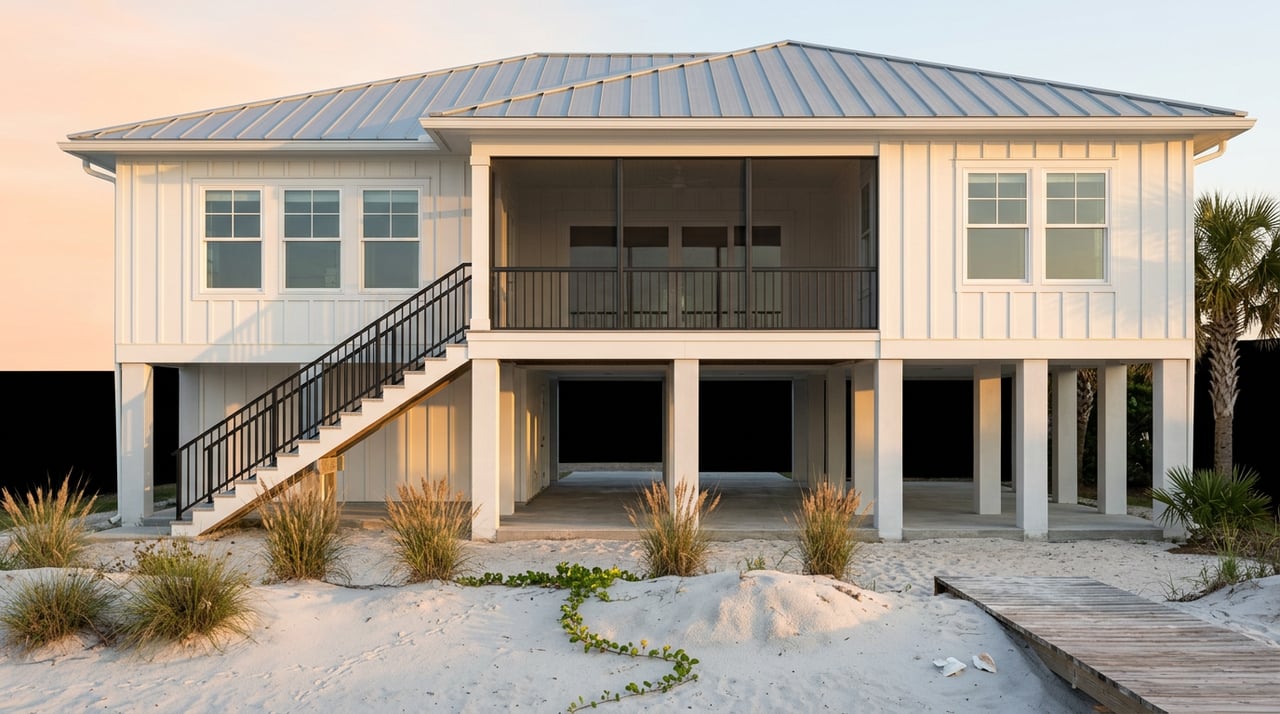
Coastal properties often face special flood hazard zones. If a home is in a FEMA-mapped SFHA, lenders may require flood insurance. You should also review windstorm or hurricane coverage needs and ask your broker about named-storm deductibles and wind/hail endorsements. The state’s hazard planning materials highlight coastal risk patterns in plain terms; you can review the South Carolina hazard mitigation plan overview to understand exposure.
Hurricane and windstorm deductibles are typically a percentage of the dwelling limit, which can materially change your out-of-pocket exposure after a storm. The Insurance Information Institute explains how those deductibles work. Always get address-specific quotes early, and if you are buying a condo, compare the association’s master policy to the unit coverage you will need.
Here is a straightforward template you can adapt with comps and quotes for a Murrells Inlet property. To mirror the broader market, use Myrtle Beach as a proxy for rates and occupancy.
Estimated net before mortgage, property taxes, and insurance is about $30,900. This is only a template. Replace each input with address-specific comps, HOA dues, tax details, insurance quotes, and a property manager’s itemized P&L.
Buying a vacation rental in Murrells Inlet should feel confident and organized. With the right property, clear tax and HOA checks, and a disciplined pricing plan, you can enjoy the coast and build a reliable income stream. If you want address-specific comps, manager introductions, or a custom cash-flow model, reach out to Dan Benish. We will help you source the right home or condo and navigate each step with boutique, high-touch service backed by The Litchfield Company.
Stay up to date on the latest real estate trends.
Contact Dan today to learn more about his unique approach to real estate and how he can help you get the results you deserve.
100 Greenway Blvd Murrells Inlet, SC 29576