Living in Murrells Inlet SC: Coastal Lifestyle Overview
February 5, 2026
February 5, 2026
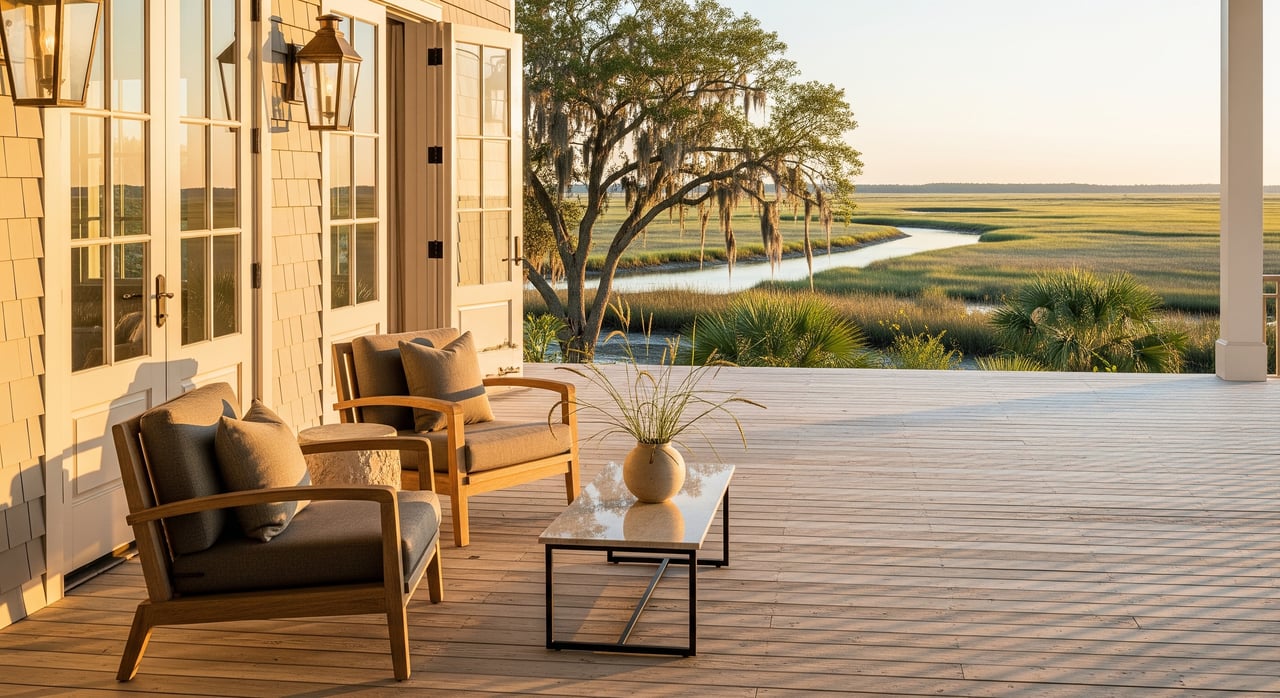
Picture yourself ending the day with a slow walk along a wooden boardwalk, the salt marsh glowing at sunset and the smell of fresh-caught seafood in the air. If you’re drawn to an easygoing coastal rhythm with plenty of outdoor time, Murrells Inlet might be exactly what you’re after. In this guide, you’ll learn what day-to-day life looks like, where you’ll spend your time, housing options to consider, and the practical details buyers and second-home owners care about. Let’s dive in.
Murrells Inlet is known for its salt marsh scenery, working boats, and a lively cluster of waterfront dining. You get a relaxed, outdoors-first pace that’s quieter than the high-energy entertainment scene to the north. The mix of year-round residents, retirees, and second-home owners gives the area a welcoming, lived-in feel.
You’ll use U.S. Highway 17 for easy north-south access. The closest major airport is Myrtle Beach International for domestic flights, while Charleston’s airport sits farther to the southwest. Activity ebbs and flows by season, with spring and summer bringing more visitors and energy, and winter settling into a calmer routine.
The Murrells Inlet MarshWalk is the community’s social spine. It’s a wooden boardwalk lined with restaurants, patios, and live music, right over the marsh channels. You’ll come here for sunsets, dockside seafood, and casual nights out. The vibe is busier in warm months and quieter in the off-season, though many spots stay open year-round. Explore the scene through the official Murrells Inlet MarshWalk site.
You can handle everyday needs locally, including groceries, pharmacies, and hardware. For big-box stores or specialized services, you’ll drive a short distance to larger commercial hubs in the Grand Strand or Georgetown. Most neighborhoods require a car for errands, while the MarshWalk cluster itself is walkable once you’re parked.
Healthcare access is a key reason many retirees choose this area. Regional systems serve Murrells Inlet, including Tidelands Health for hospitals, clinics, and specialty care. For more complex needs, you can reach facilities in Myrtle Beach or Georgetown. In-home care and assisted living options are available across the Grand Strand.
Social life tends to revolve around the water: boating, fishing, and marsh explorations. You’ll also find civic groups, church communities, and local charity events. Nearby Brookgreen Gardens offers sculpture, history, seasonal festivals, and a full calendar of programs that appeal to many second-home owners and retirees.
Inshore and nearshore fishing are big draws. Anglers commonly target red drum, flounder, and trout, with seasonal shrimping and crabbing. You’ll find boat launches, marinas, and charter options for days on the water. Kayaking and paddleboarding in the creeks are relaxed ways to get close to wildlife.
For beach days and nature walks, Huntington Beach State Park is close by. It has beaches, birding, nature trails, and the historic Atalaya site. The nearby estuaries and conservation lands are rich with shorebirds and dolphins, so photography, eco-tours, and guided nature programs are popular.
The Grand Strand is known for golf, and the Murrells Inlet area has convenient courses and golf communities. Many buyers choose golf or master-planned neighborhoods for amenities, social clubs, and low-maintenance living. It’s a natural fit if you want a community feel with outdoor access.
Expect outdoor festivals and live music in spring through fall, when the weather is mild to warm. Winters are calmer and still comfortable, which attracts snowbirds and retirees. If you like seasonal variety, you’ll appreciate the lively months and the quiet stretches after the holidays.
You’ll meet retirees and empty-nesters chasing a coastal lifestyle with solid healthcare access and slower days on the water. You’ll also meet second-home owners who value proximity to the marsh, beaches, dining, and outdoor activities. Local professionals in hospitality, fishing, and services live throughout the community in a mix of rentals, condos, and single-family homes.
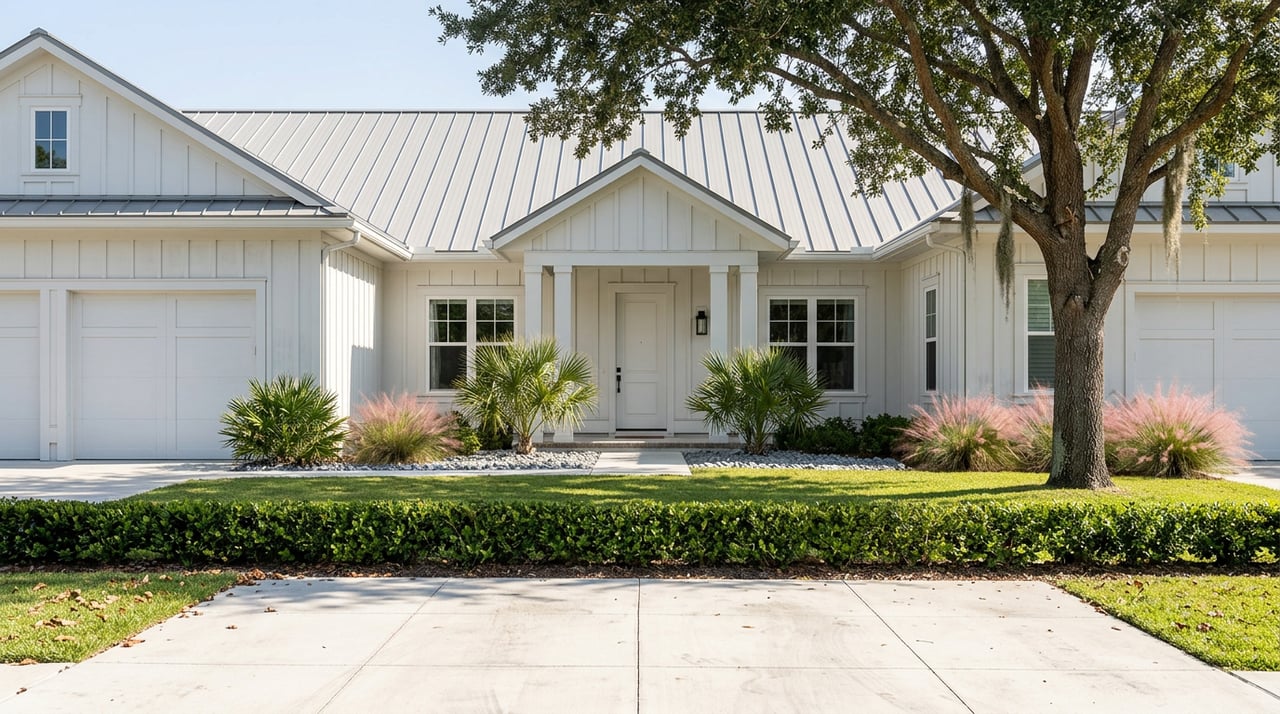
Prices vary widely based on location and water access. Marshfront, beachfront, and gated options command premiums, while inland single-family homes and condos are more attainable. If you’re considering rental potential, review local ordinances, HOA rules, and seasonality before you buy.
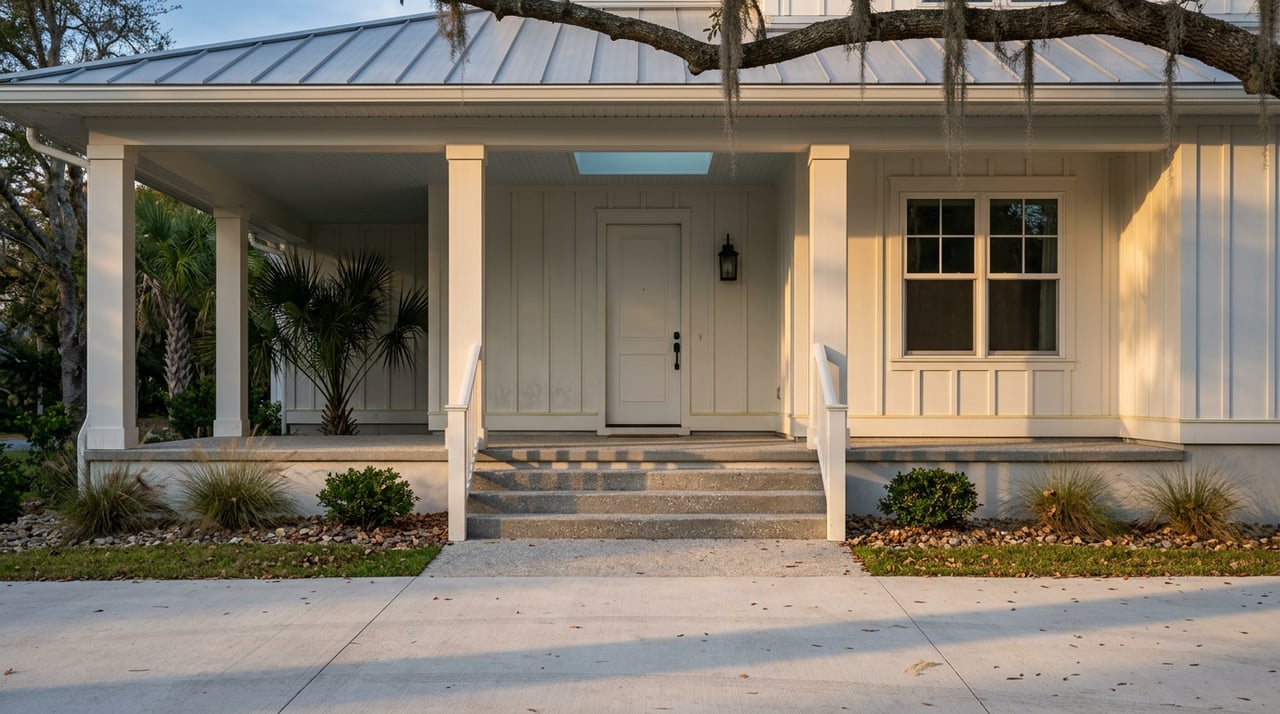
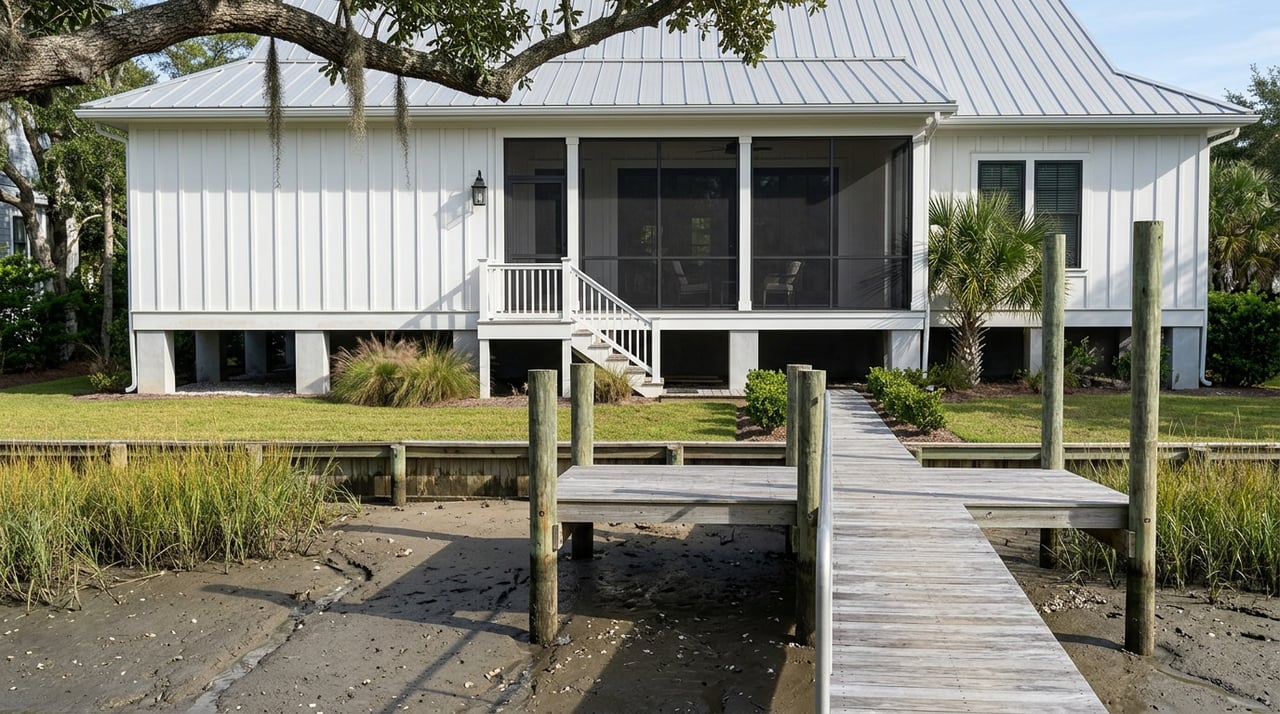
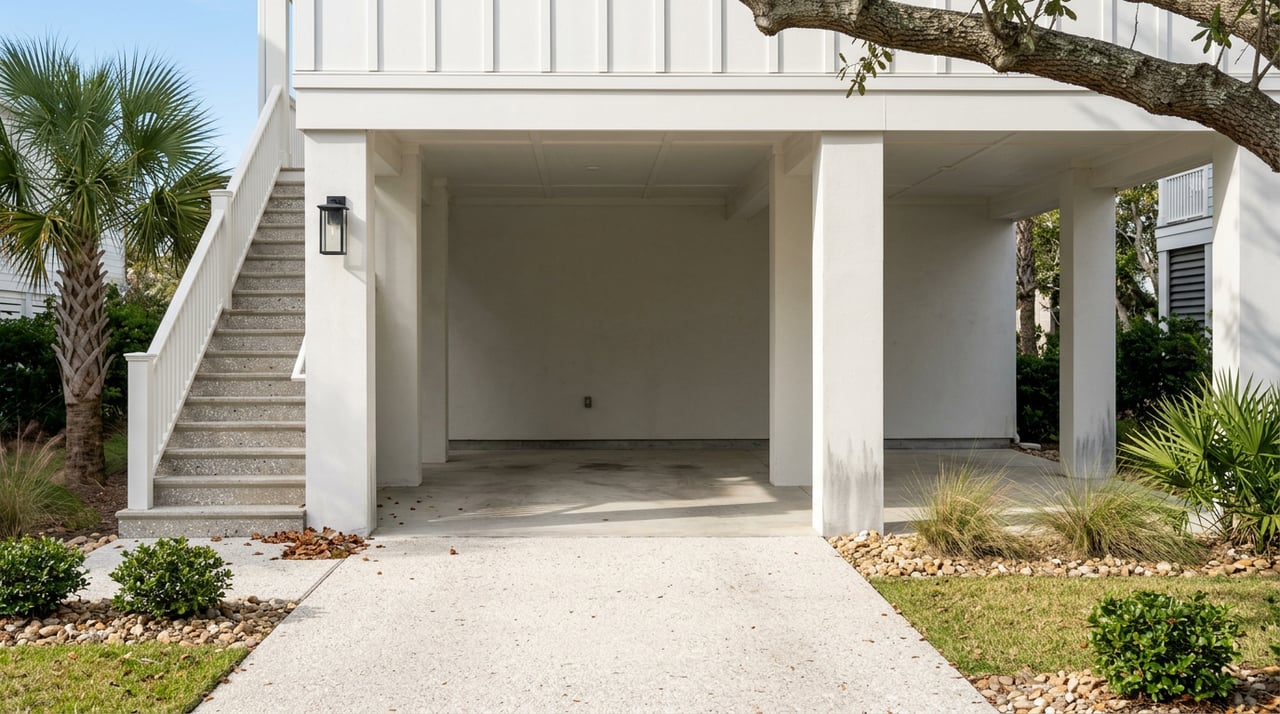
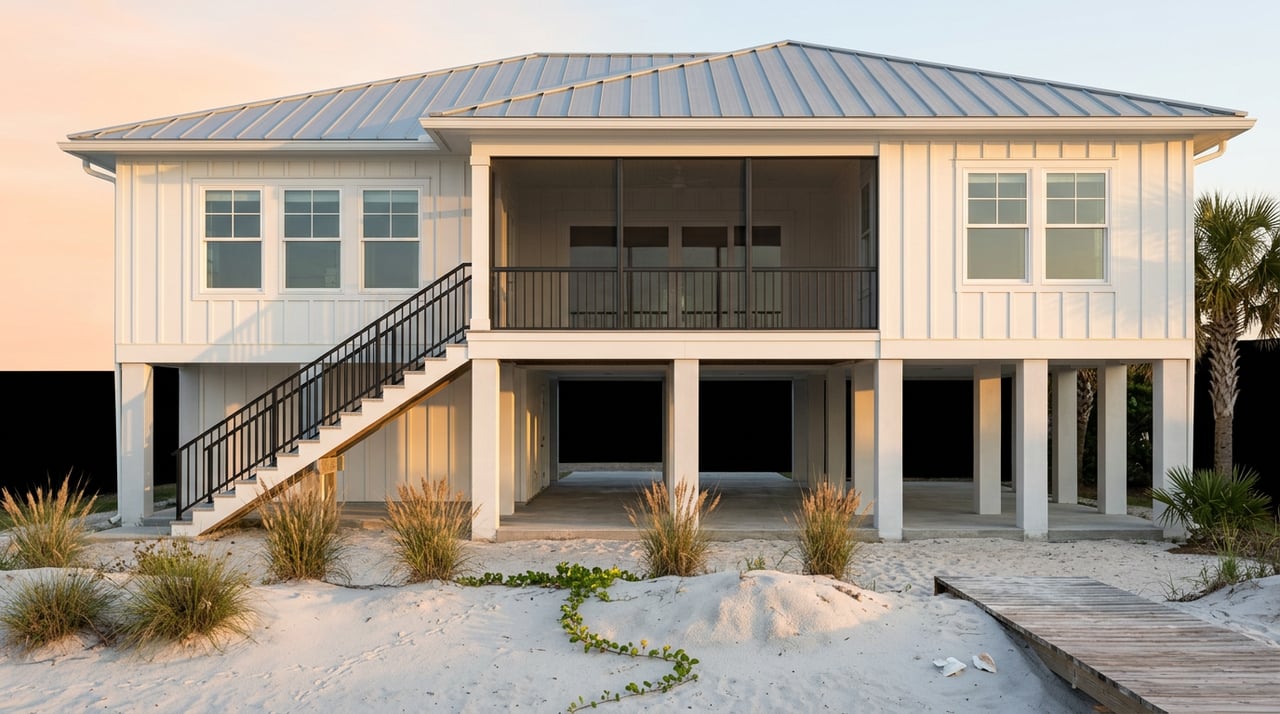
If you’re looking at marshfront property, budget for dock and bulkhead upkeep. Review HOA fees and community rules so you understand the full cost of ownership. For new builds or renovations, factor in flood elevation requirements and coastal construction details like pile foundations and hurricane attachments.
U.S. 17 is the main corridor for getting around. Commuting north to Myrtle Beach or south to Georgetown is common, and most residents rely on personal vehicles. Public transit options are limited, so plan on driving for daily needs.
Murrells Inlet includes low-lying marsh areas and tidal creeks, so flood risk is an important part of due diligence. Check your property’s status through the FEMA Flood Map Service Center, ask for elevation certificates, and get quotes for flood insurance from both NFIP and private carriers. Hurricane season runs from June through November, so review building features like impact windows, roof tie-downs, and shutters.
Property taxes are set by Georgetown County and local jurisdictions, so verify current millage and recent assessments for any address you’re considering. Utilities vary by neighborhood: some areas have municipal water and sewer, while others may use wells and septic. Confirm utility setup early in your search to avoid surprises.
Public schools are part of the Georgetown County School District. Proximity and programs vary by neighborhood, and private-school options are available across the region. If you want demographic context while comparing areas, review U.S. Census Bureau QuickFacts for Georgetown County.
Local law enforcement is provided by county and nearby municipal agencies. If safety is important to your decision, review local crime statistics and talk with neighbors for on-the-ground perspective. For any waterfront property, confirm riparian rights, dock permits, and ownership responsibilities, and review local rules with Georgetown County planning and zoning.
If you want a calm, salt-marsh lifestyle with easy access to beaches, seafood, and nature, Murrells Inlet delivers. You can pick a lively setting near the MarshWalk or choose a quieter neighborhood, then head to the water when the mood strikes. Many retirees and second-home owners appreciate the blend of outdoor recreation, healthcare access, and manageable travel to larger services.
When you’re ready to explore homes, you deserve a local specialist who knows the marshes, communities, and seasonal rhythms. For boutique guidance and disciplined execution, connect with Dan Benish for buyer and seller representation, new-construction opportunities, and valuation-driven advice.
Stay up to date on the latest real estate trends.
Contact Dan today to learn more about his unique approach to real estate and how he can help you get the results you deserve.
100 Greenway Blvd Murrells Inlet, SC 29576