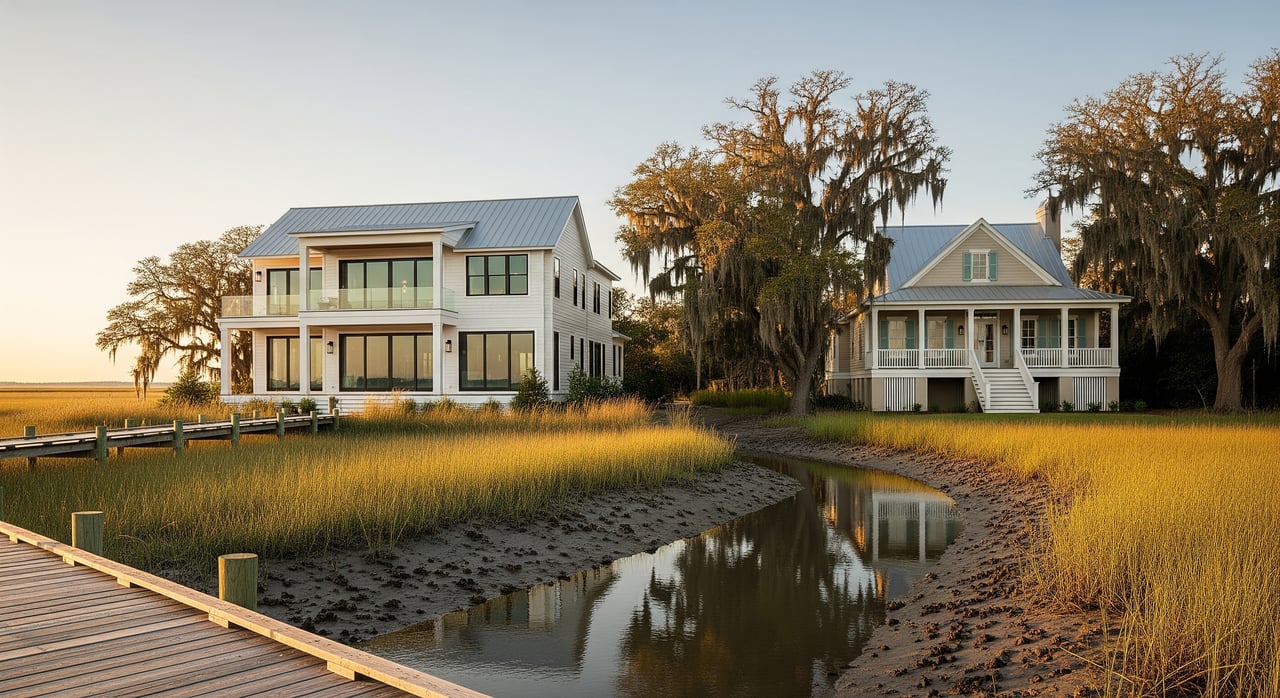
Murrells Inlet New Construction vs Resale: Local Insights
January 15, 2026
January 15, 2026
Trying to choose between a brand-new home and a resale in Murrells Inlet? You’re not alone. Many second-home and move-down buyers weigh low-maintenance living and builder warranties against the location, character, and mature landscaping you often find in resales. In this guide, you’ll get a clear, local look at timelines, warranties, HOAs, coastal regulations, negotiation dynamics, and costs so you can decide with confidence. Let’s dive in.
Decision snapshot: Start with what matters most to you and your timeline.
If you build from the ground up, plan for about 6–12 months from contract to move-in. Coastal permitting, weather, supply chain, and labor can extend the schedule. If you prefer speed, a finished spec or inventory home can often close in 30–120 days.
Expect builder contracts with staged deposits, allowances, and clear specs. You’ll see defined change-order procedures and longer remedy windows than a typical resale contract. Ask how delays are handled and which upgrades are included versus optional.
Resale homes often close in 30–60 days with conventional financing. Cash or strong pre-approvals can shorten that. Timelines can extend if repairs, title items, or other contingencies arise, so build in a little flexibility.
You will likely have an inspection contingency period of about 7–14 days locally, plus appraisal and loan processing. Clear communication early helps manage closing dates.
For new builds, you may have pre-drywall or framing checks, a final walkthrough, and punch-list items, with warranty check-ins after closing depending on the builder. Consider hiring a third-party inspector at key stages if allowed.
For resales, plan a full home inspection and pest inspection, and add sewer/septic, roof, HVAC, or structural specialists as needed. Inspection results often drive repair requests or credits.
Most builders offer a common structure: about 1 year on workmanship and materials, 2 years on mechanical systems like HVAC, plumbing, and electrical, and 10 years on major structural elements. Coverage details vary, so confirm exact start dates, exclusions, and whether the structural warranty is insured or self-funded.
Ask if the warranty is transferable, who manages claims, and expected response times. This helps you set realistic expectations for post-closing service.
In South Carolina, sellers typically provide a property condition disclosure. Review it closely and confirm permit history for any additions or structural work. Resales rarely include broad after-sale warranties, though some appliance or system warranties may transfer. You can also purchase a home warranty plan if it suits your risk tolerance.
For resales, inspection findings often lead to repairs, credits, or price adjustments. For new builds, the focus shifts to punch lists and warranty processes rather than large repair concessions.
Many new communities and some resales here fall under an HOA with an architectural review committee. ARCs oversee exterior changes, colors, and landscaping. New developments often set stricter initial design standards and include amenities with related dues.
Ask about current dues, what they include, any pending assessments, rental rules, and ARC approval timelines. If you plan seasonal use or occasional renting, confirm policies before you commit.
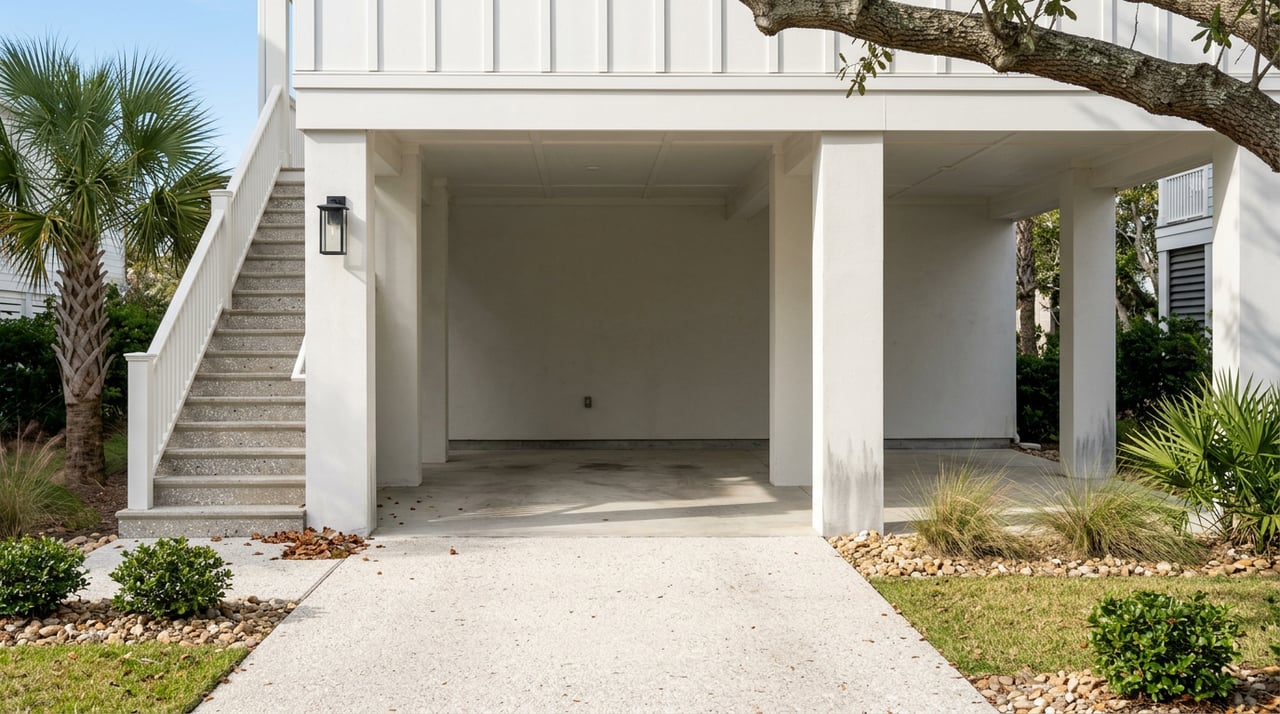
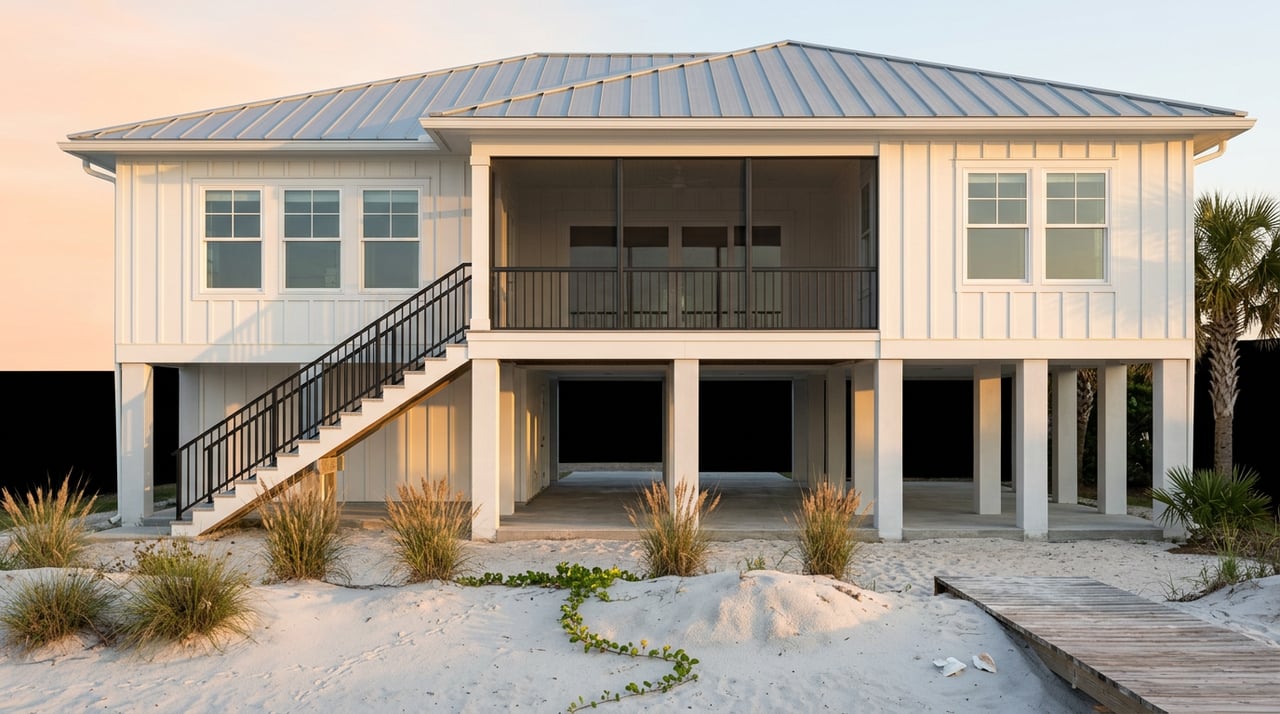
Portions of Murrells Inlet sit in coastal floodplains. If a property is in a Special Flood Hazard Area, a lender may require flood insurance. An elevation certificate and the home’s FEMA flood zone can significantly influence premiums and ongoing costs.
Also consider wind-storm exposure common to the coast. Connect with a local insurance professional early to understand coverage availability and typical premiums for the property type and location you’re considering.
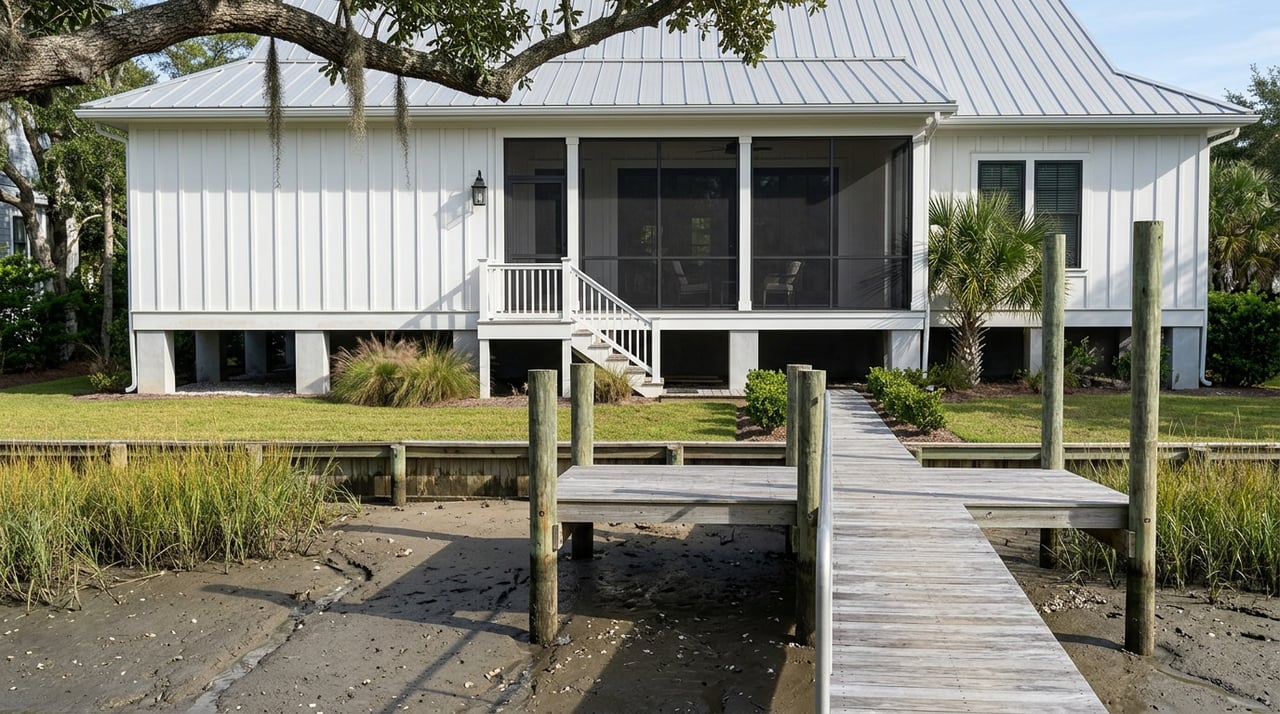
Shoreline or marsh-adjacent improvements often require state and local approvals. The South Carolina Office of Ocean and Coastal Resource Management and county planning departments manage coastal-use permits and setbacks. Builders usually coordinate permits for new construction. For resales, verify that any existing structures were permitted and understand whether future modifications are feasible.
Builder flexibility depends on inventory phase. Early presales typically offer more selection and design choice, but fewer incentives. Peak sales or new phase launches often hold steady on pricing. Finished spec homes or end-of-community phases tend to bring the best incentives, like closing-cost contributions, temporary rate buydowns, upgrade credits, or selective price reductions.
Since 2021–2024, rate buydowns and upgrade credits have been common as mortgage rates rose. Exact offers shift with demand, so compare incentives across communities.
Resales follow a more traditional negotiation path. You can negotiate on price and request seller repairs or credits based on inspection results. If the market is moving quickly, appraisal gaps and multiple-offer dynamics can influence strategy and terms.
New construction may involve construction loans, longer rate locks, and preferred-lender incentives. Compare offers to ensure the incentive outweighs any rate or fee differences. For resales, plan for standard loan timelines and consider appraisal positioning if the market is rising.
If you want low maintenance with amenities and the latest energy systems, new construction can be attractive, especially in communities with lawn care and lifestyle features. If you are targeting a specific view corridor or a limited shoreline location, resale may be the only way to secure that site.
For seasonal use, consider how the HOA handles exterior maintenance and whether smart-home features are bundled or easy to add. New builds provide warranty support, while resales might require a quick round of updates to get truly turnkey.
If you prefer predictable costs and minimal near-term repairs, a new home’s warranty structure can remove stress. If walkability to your favorite spots or a mature neighborhood feel is high on your list, a resale may fit better.
Either way, weigh HOA rules, flood exposure, and insurance costs. These factors can make a bigger difference along the coast than in inland markets.
Whether you are leaning toward a brand-new home with warranty coverage or a resale with a one-of-a-kind setting, a clear plan will save time and money. You want an advocate who understands builder inventory phases, HOA rules, flood maps, and coastal permitting. If you are ready to compare specific communities and listings side by side, reach out to Dan Benish for a focused, step-by-step path to the right home in Murrells Inlet.
Stay up to date on the latest real estate trends.
Contact Dan today to learn more about his unique approach to real estate and how he can help you get the results you deserve.
100 Greenway Blvd Murrells Inlet, SC 29576