How to Prepare Your Garden City Condo for a Smooth Sale
April 23, 2026
April 23, 2026
Selling a condo in Garden City is not just about taking a few photos and putting it on the market. In a coastal condo sale, presentation, association details, and paperwork can all shape how smoothly your listing moves from first showing to closing. If you want to make a strong first impression, answer buyer questions early, and reduce last-minute surprises, a little preparation goes a long way. Let’s dive in.
When buyers scroll listings online, they usually notice the same things first: how clean the condo looks, how easy the space feels to live in, and whether the unit appears move-in ready. That matters because 83% of buyers’ agents in NAR’s 2025 staging survey said staging made it easier for buyers to visualize a property as a future home.
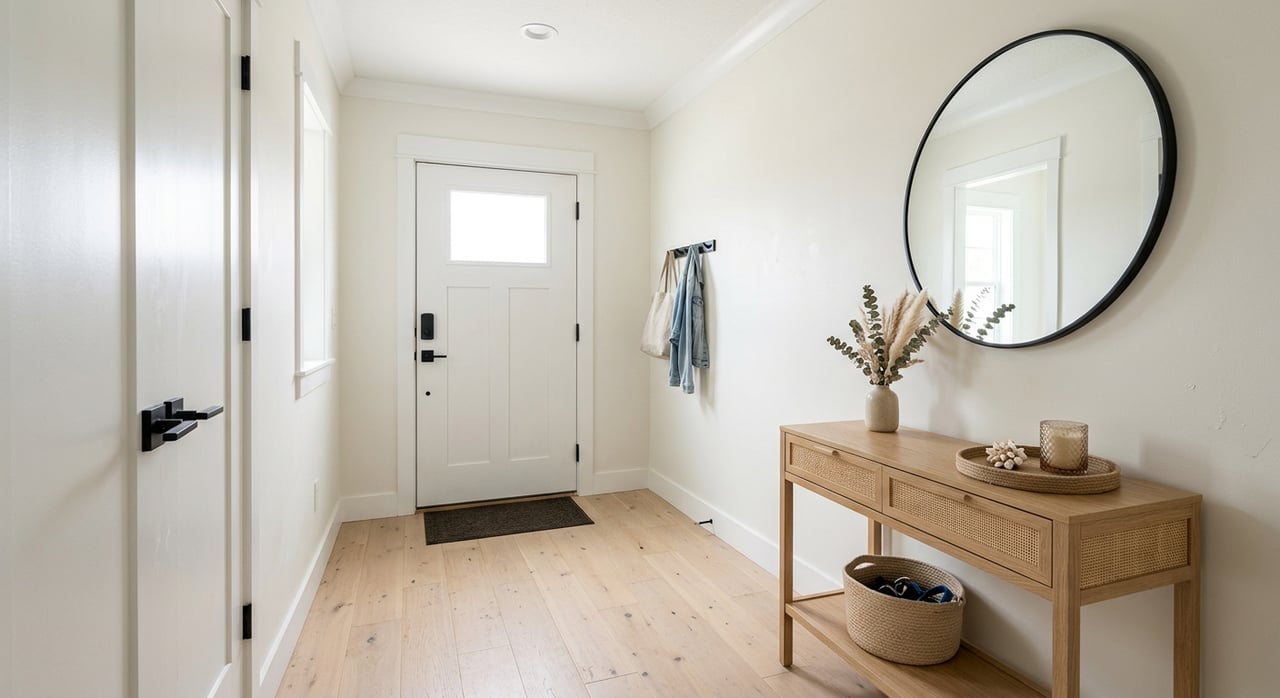
For most Garden City condo sellers, the best first step is not a major renovation. It is a focused reset of the spaces buyers notice most, especially the living room, primary bedroom, and dining area. Clean sightlines, lighter furniture placement, and organized storage can make the condo feel larger and easier to maintain.
Remove extra furniture, crowded decor, and anything that makes rooms feel tight. Clear kitchen counters, simplify bathroom surfaces, and take a hard look at closets and storage areas. Buyers tend to open doors, cabinets, and closets, so neat storage helps the whole condo feel more functional.
If your condo has been used as a second home or rental, this step matters even more. Personal items, extra beach gear, and overflow furnishings can make the space feel busy. A cleaner, more neutral setup helps buyers picture how they would use the unit.
A condo can be updated and still feel underwhelming if it is not spotless. Pay close attention to floors, baseboards, windows, ceiling fans, kitchen appliances, and bathrooms. In a beach market like Garden City, details like sand buildup, salt residue, and worn corners can stand out quickly.
Professional photography and virtual marketing tend to highlight both strengths and flaws. According to NAR, buyers’ agents reported that photos, physical staging, videos, and virtual tours were highly important to their clients. That means your condo should be ready to look sharp both online and in person.
You do not always need full-scale staging to improve marketability. Sometimes small changes, like better furniture placement, fresh bedding, brighter lighting, and a more open dining area, can make a big difference. Seller-side agents in NAR’s survey most often recommended decluttering, cleaning, and curb appeal improvements before more expensive updates.
If you are considering professional staging, NAR reported a median cost of $1,500 for a staging service and $500 when the seller’s agent handled staging. The right level of staging depends on your condo’s condition, price point, and target buyer.
In Garden City, buyers often pay close attention to signs of moisture, leaks, or mold. Coastal conditions can make these issues more common, and visible stains or musty smells can raise immediate concerns during showings.
The EPA’s mold guidance says moisture is the key to mold control and that water-damaged areas should be dried within 24 to 48 hours. The CDC also says indoor humidity should be kept at or below 50%. If you have had a leak, storm-related issue, or HVAC moisture problem, deal with it before listing.
Walk through the condo with a careful eye and look for:
Do not paint over mold or moisture damage without fixing the source first. The EPA specifically warns against painting over moldy surfaces before cleaning and drying them. In a coastal market, buyers want to know the condo has been maintained, not just touched up.
One of the most important parts of preparing a Garden City condo for sale has nothing to do with decor. Before you schedule showings, make sure you understand the current association rules and the details buyers are likely to ask about.
In South Carolina, HOA and condo rules depend heavily on the recorded governing documents. The South Carolina Department of Consumer Affairs explains that HOA governing documents must be recorded and adopted rules must be accessible. For condos, the state’s Horizontal Property Act also ties ownership to compliance with recorded bylaws and rules.
Before your condo goes live, verify the basics that can affect access and the buyer experience. You want every showing to feel simple, not confusing.
Important items to confirm include:
These details matter because the South Carolina condo disclosure addendum specifically asks about guest and visitor restrictions, assigned parking, keys, fobs, access codes, rental restrictions, and transfer fees.
Buyers often want a clear picture of how the condo community operates. If you can answer those questions early, your listing feels more organized and trustworthy.
The South Carolina consumer guide recommends that owners and buyers review items such as covenants and bylaws, dues, reserve levels, insurance information, recent meeting minutes, and whether the property is in violation of association rules. For a seller, that means it is smart to collect these materials before your condo hits the market.
A smooth condo sale usually depends on how quickly you can provide the right documents. In South Carolina, the seller generally must deliver the Residential Property Condition Disclosure Statement before a contract is signed in most 1-4 unit residential sales. If you later discover a material inaccuracy, the law says it must be corrected promptly or addressed with reasonable repairs before closing.
For condo sales, the related addendum is also important. It is designed for properties subject to an HOA, condo association, horizontal property regime, or similar recorded rules and asks about dues, restrictions, parking, access, special assessments, and coastal or flood-related issues.
Try to have these ready as early as possible:
This preparation can help prevent delays once a buyer is interested. It also matters financially because South Carolina’s Horizontal Property Act states that unpaid common-expense assessments must be paid from sale proceeds or by the buyer, and the buyer can be jointly liable with the seller for amounts due up to closing.
Condo buyers in Garden City often ask practical questions that go beyond finishes and views. They want to understand risk, maintenance, and ownership costs, especially in a coastal setting.
The South Carolina disclosure form asks about flood hazards, flood insurance, flood claims, flood-related repairs, federal disaster assistance, erosion-control structures, and beach nourishment assessments. If any of these apply to your condo, it helps to have clear and accurate information ready.
Expect buyers to focus on a few recurring topics:
In coastal buildings, buyers may also notice visible corrosion or exterior wear. The Whole Building Design Guide notes that coastal environments are corrosion-prone because salt spray, humidity, and moisture can accelerate deterioration. That makes maintenance records and repair history especially helpful when you are marketing a condo near the ocean.
If you want a practical way to prepare, break the process into three priorities: how the condo looks, how the association operates, and how easy your documents are to verify. That combination supports stronger first impressions and a more confident buyer response.
A simple seller checklist looks like this:
When you take these steps before listing, you make it easier for buyers to understand the opportunity and easier for your sale to stay on track.
If you are thinking about selling a condo in Garden City, the right preparation can help you stand out in a competitive coastal market. When you want clear advice, strong marketing, and a disciplined plan tailored to your property, connect with Dan Benish.
Stay up to date on the latest real estate trends.



Contact Dan today to learn more about his unique approach to real estate and how he can help you get the results you deserve.

100 Greenway Blvd Murrells Inlet, SC 29576